
Service
Third-Generation IVF
Definition
Third-generation IVF, also known as preimplantation genetic diagnosis (PGD/PGS), refers to the analysis of the genetic material of embryos before the IVF-ET embryo transfer. This analysis diagnoses abnormalities and selects healthy embryos for transfer, aiming for superior reproductive outcomes.
PGD Technology
Third-generation IVF, also known as preimplantation genetic diagnosis (PGD/PGS), refers to the analysis of the genetic material of embryos before the IVF-ET embryo transfer. This analysis diagnoses abnormalities and selects healthy embryos for transfer, aiming for superior reproductive outcomes.
PGS Technology
known as preimplantation genetic screening, is a prenatal screening method to increase the implantation rate of IVF and the rate of live births by examining the chromosomes of embryos.
Overseas Third Generation IVF
Currently, the conditions for third-generation IVF in Singapore is very stringent, requiring strict medical indications to proceed.
Therefore, the number of third-generation IVF cycles actually performed domestically is very low. These stringent conditions exclude many patients in need, forcing them to seek third-generation IVF overseas.
Presently, the success rate of third-generation IVF is relatively high, and only a few countries like the United States, Thailand, and Cambodia can legally conduct comprehensive genetic testing.
Why Choose Overseas Third-Generation IVF
| Country | Average Success Rate for Third-Generation IVF |
|---|
| Mainland China | 30%-40% |
| Hong Kong | 45%-50% |
| Cambodia | 55%-60% |
| Thailand | 60% -65% |
| USA | 70% -80% |
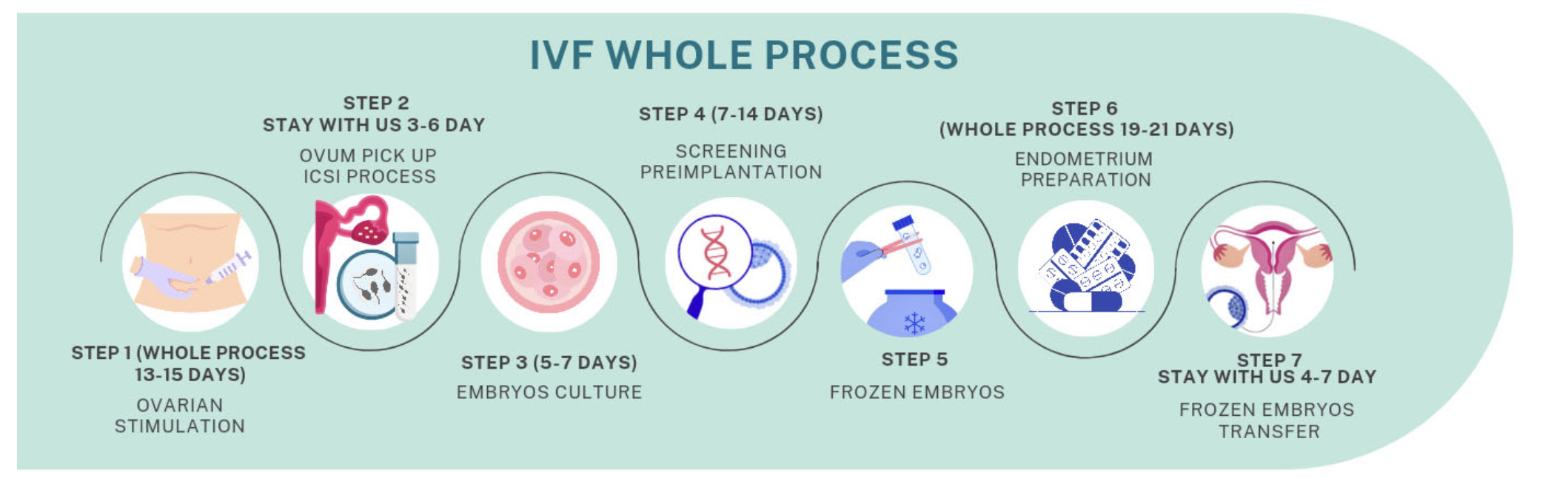
Advantages of RFG Overseas Third-Generation IVF Technology
Utilization of New Generation NGS Testing Technology
Compared to FISH and A-CGH technologies, NGS has clear advantages, including the ability to detect all 23 pairs of chromosomes, greater accuracy and practicality, the capability to simultaneously detect genetic and chromosomal abnormalities, and benefits such as high throughput, low cost, and fast speed.
Reducing Miscarriage Rates
PGS can significantly reduce the miscarriage rate in women under 35, increasing the pregnancy rate by 18.5%.
Increasing Pregnancy Rates
PGS can improve the pregnancy and live birth rates in women over 37, increasing the pregnancy rate by 25.1%.
Improving Live Birth Rates
PGS can significantly increase live birth rates, raising the overall live birth rate by 4.2%.
Optimized Birth, Gender Selection
Through PGS screening, healthy embryos are selected for transfer, providing a more advanced prenatal testing and screening solution for optimizing birth. It performs comprehensive chromosome screening for all 23 pairs, helping to fulfill your dream of having a boy or a girl.
Lowering Total Treatment Costs
Generally, it takes several IVF cycles to achieve success, but third-generation IVF significantly increases success rates. Therefore, the total treatment cost is naturally reduced. At the same time, the success rate of RFG is close to the highest standard in the industry, but the cost is not as high as the general cost.
